

Beauty as Attention
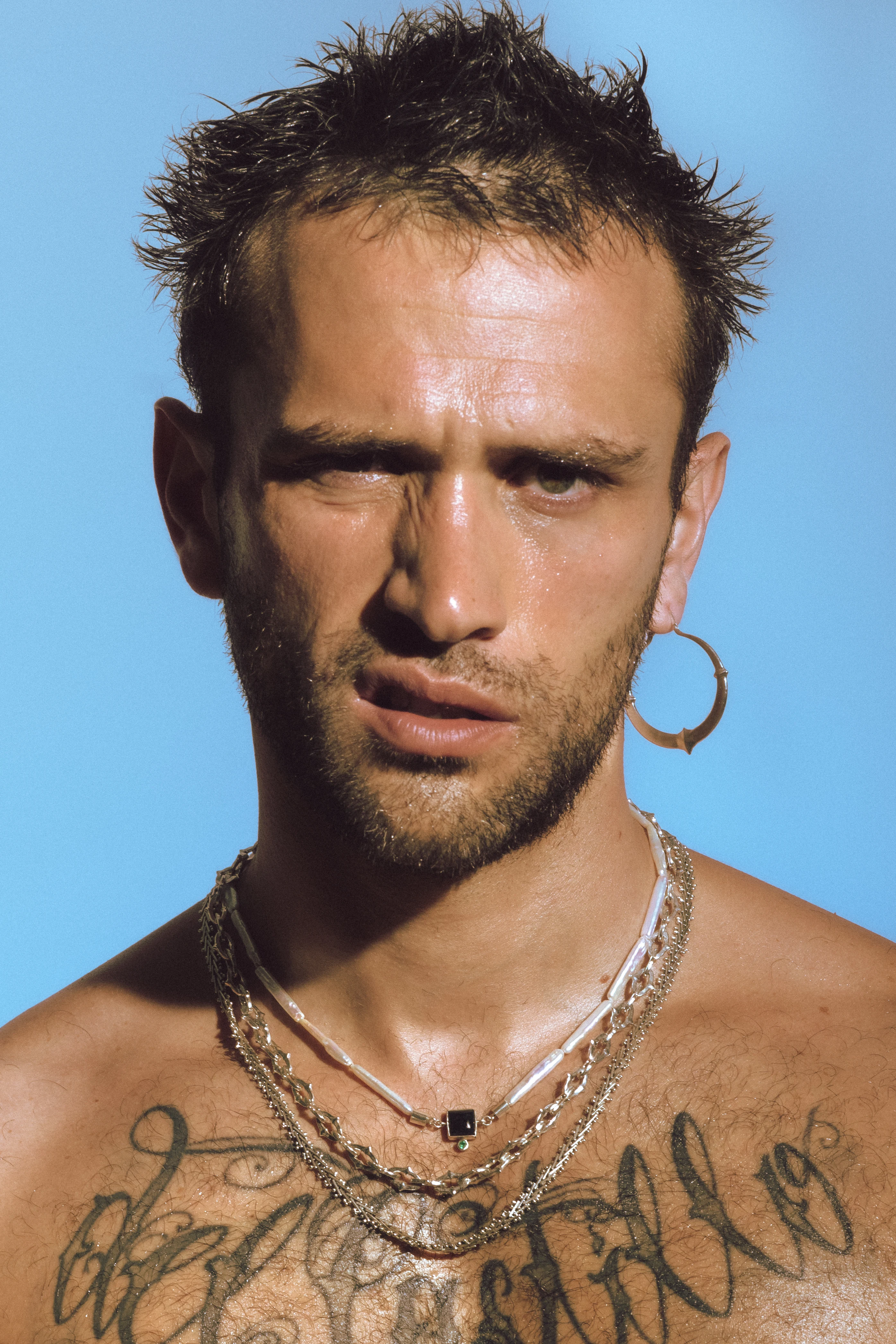
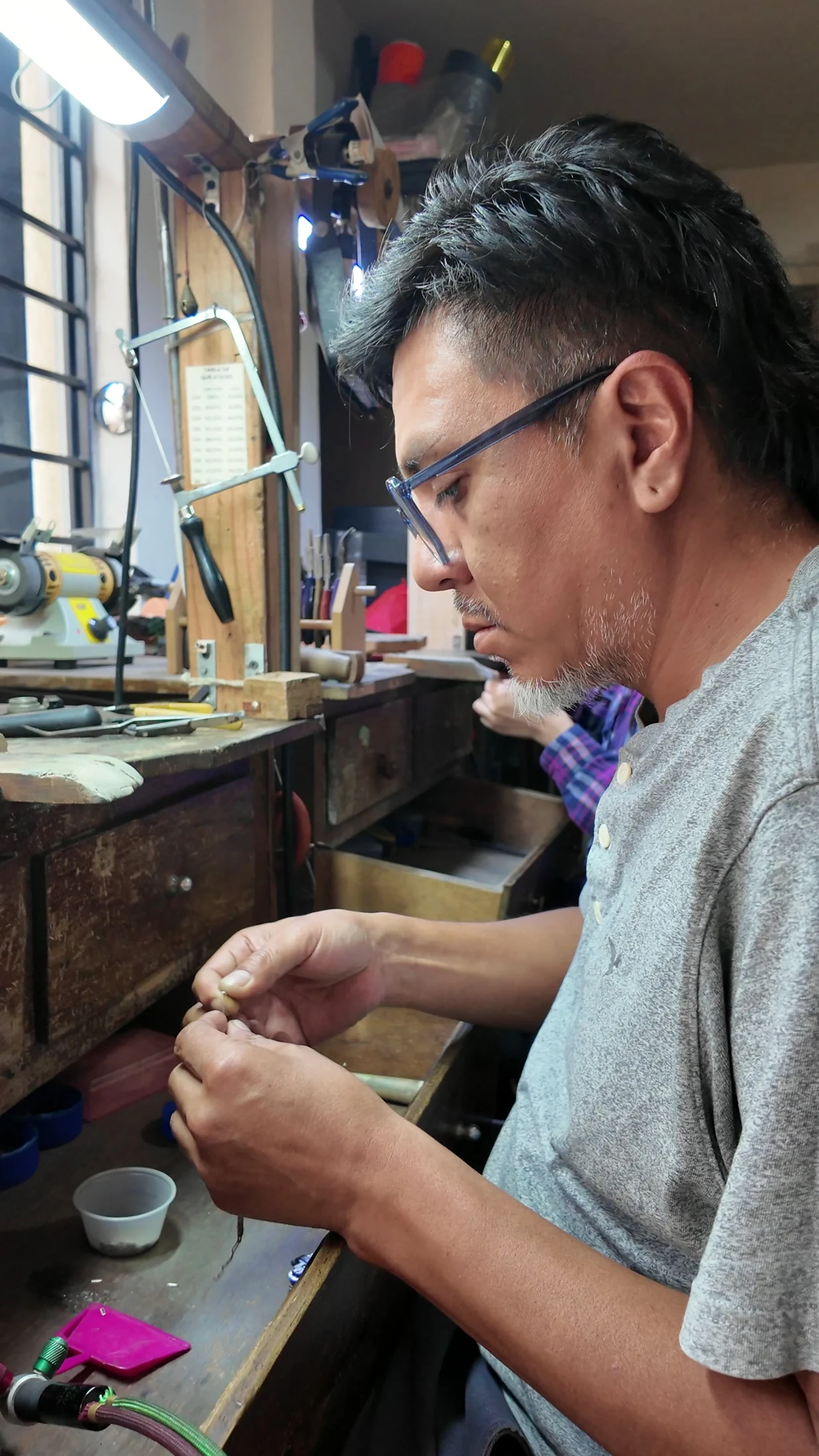
A modern man can own twenty pairs of trainers, six watches and a shelf of skincare, yet still have almost no socially ordinary way to be ceremonially beautiful.
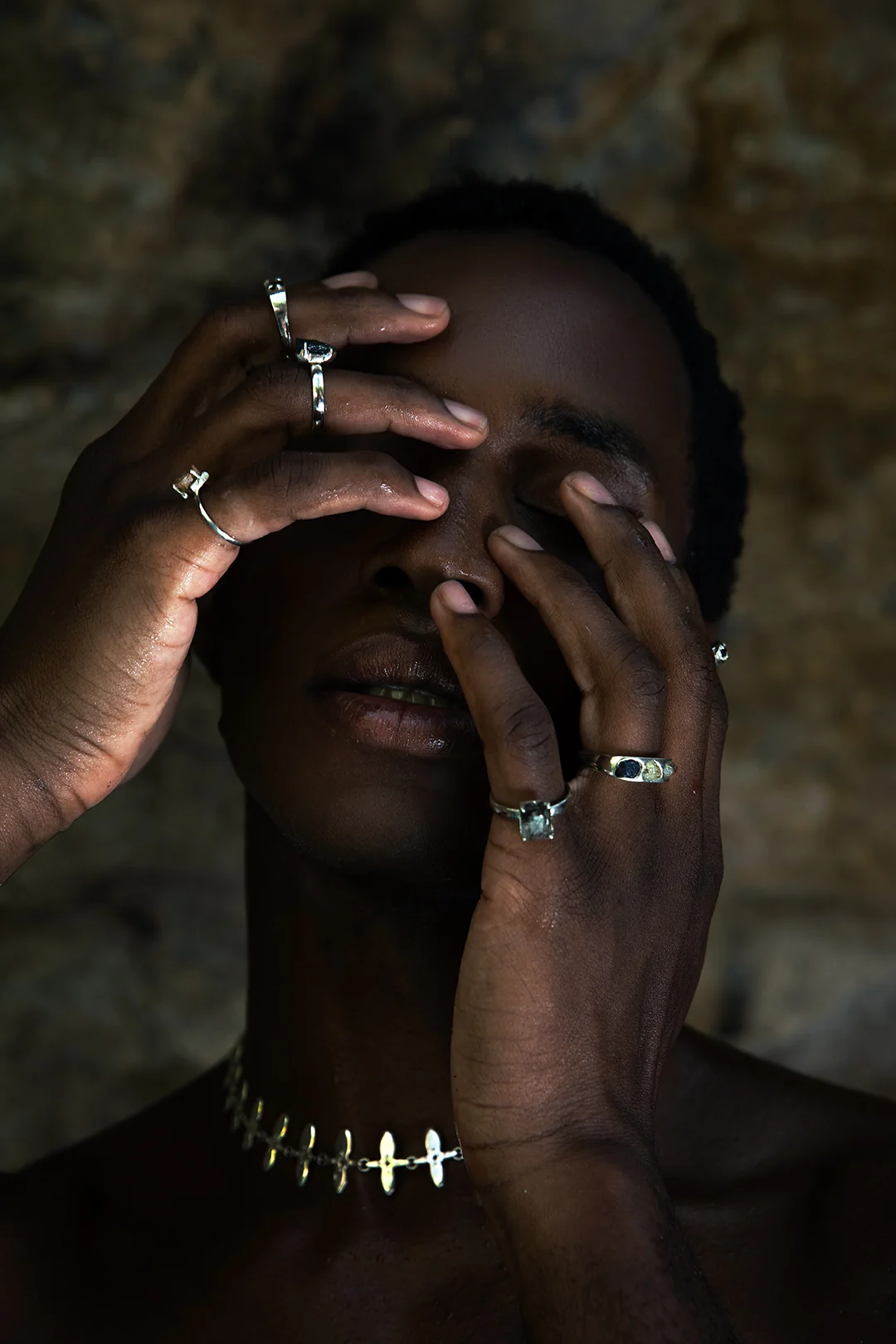
He can dress minimally, professionally, preppily or athletically. He can follow workwear, streetwear, punk or luxury fashion. In queer and experimental spaces, the possibilities become much wider. But in the Western mainstream, a man who oils his body with a fragrant unguent, lines his eyes, wraps himself in flowered silk and covers his hands in rings is still likely to be read as theatrical, feminine or subcultural.
History offers a far larger vocabulary: men whose eyes were darkened with kohl, rulers wrapped in embroidered cloth, athletes gleaming with oil, courtiers wearing heels and ageing statesmen whose hands flashed with gemstones.
I am interested in what that history might return to the present: not costume, and not a fantasy that every man in the past lived this way, but permission.
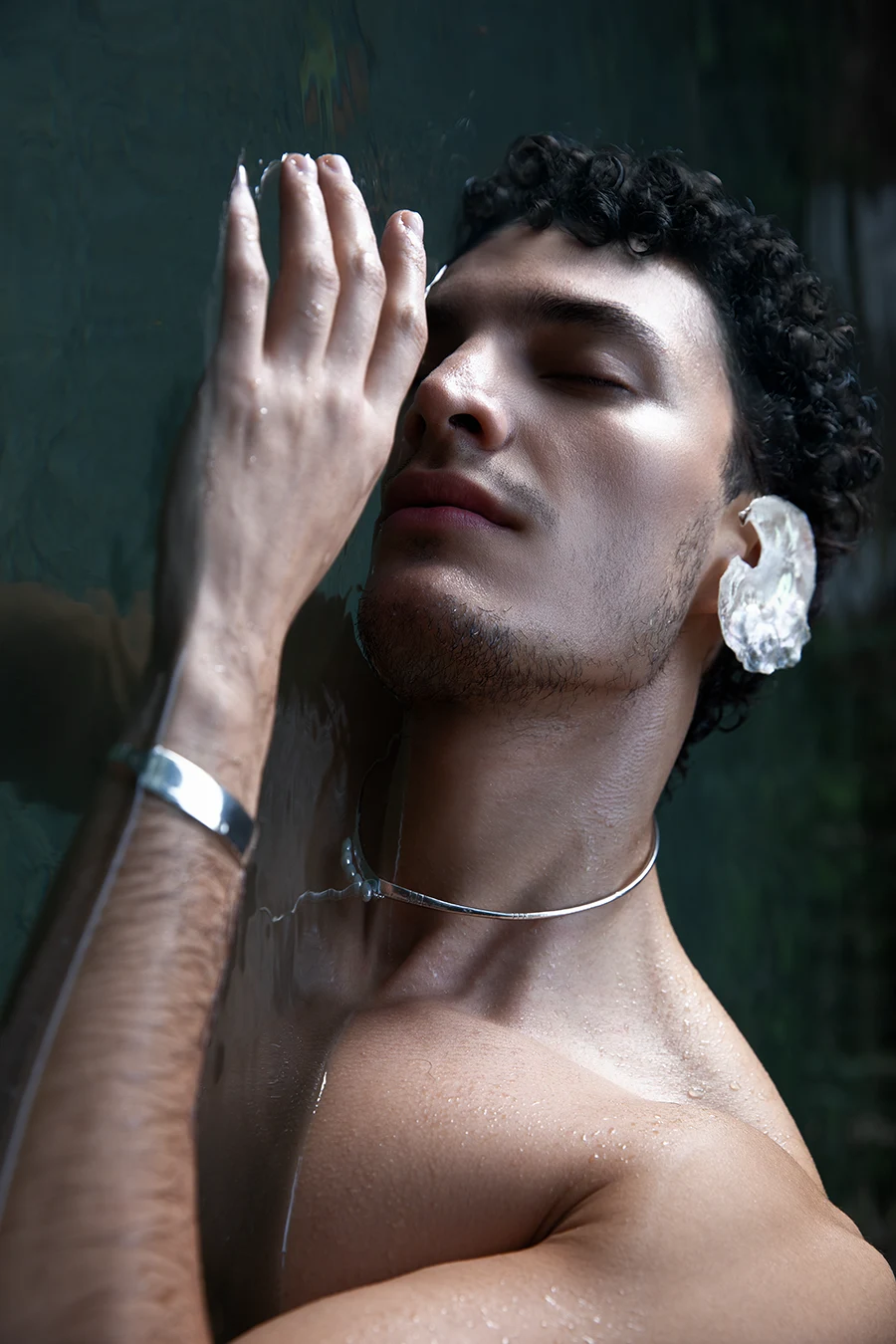
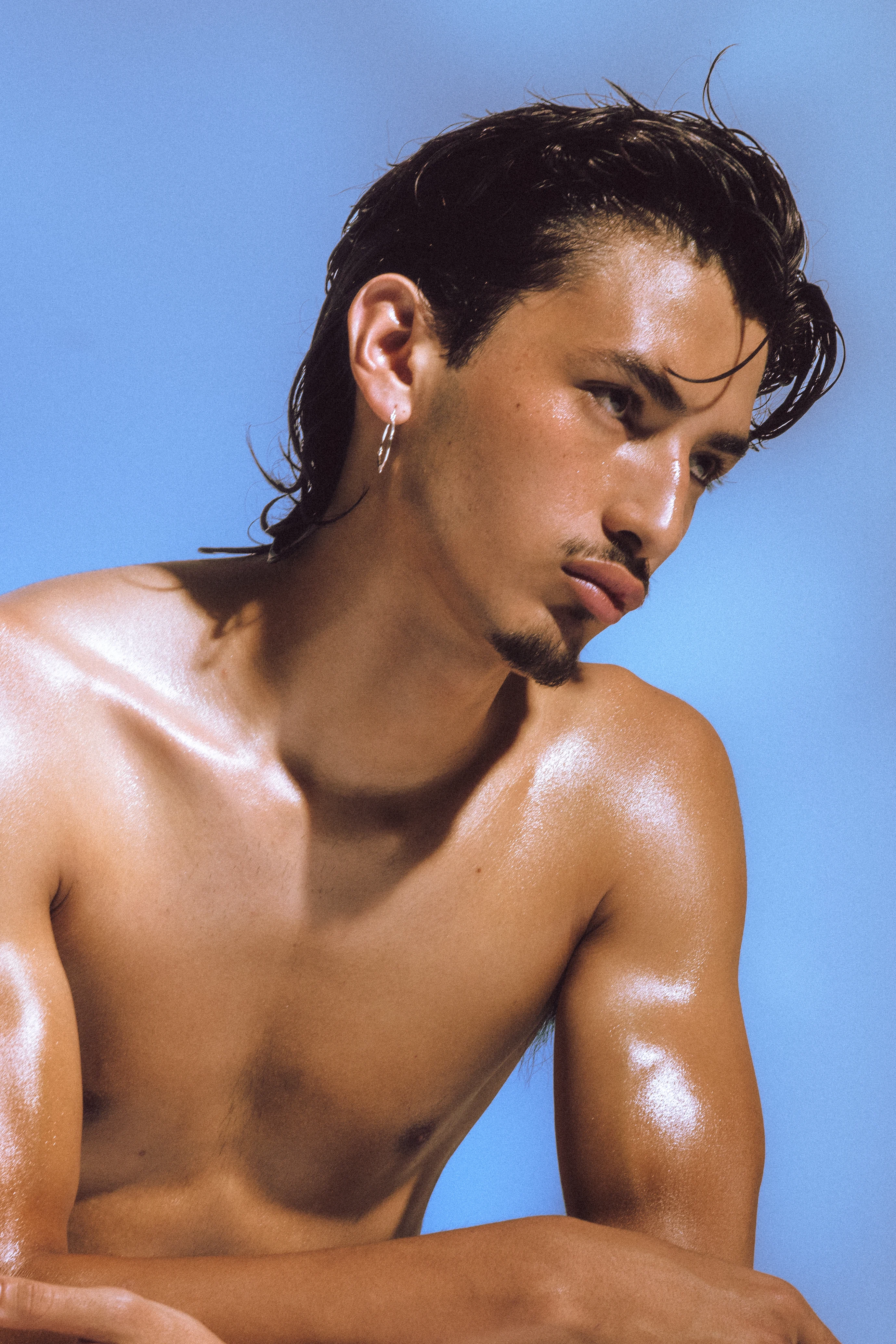
Beauty need not correct the body or compete with youth. It can be attention: washing carefully, choosing a scent, placing metal against the skin and dressing in a material that makes movement pleasurable. Treating the body beautifully can be a form of gratitude toward it.
A man should not age out of that pleasure. At twenty, forty, sixty or eighty, he can still enjoy silver against his hand, perfume on his neck, cloth across his shoulders and the private ceremony of getting dressed.
History gives him precedents.
How to Read This Atlas
This is not a single story of “men in the past.” A pharaoh, a Greek athlete, a Mughal emperor, an Edo oba and a Parisian dandy occupied different systems of rank, religion and gender. Many surviving objects belonged to rulers or courts. Grooming could mean cleanliness, seduction, devotion, medicine, office, protection or beauty—often several at once.
Placing these lives together does not claim equivalence or direct descent. It reveals how many serious relationships men have had with appearance.
Historical images are reproduced through The Metropolitan Museum of Art’s Open Access programme. Each image links to its official museum record; full research and image notes appear at the end.
01 — The Oiled Body
In ancient Egypt, jars held oils and unguents used in daily care, burial and temple ritual. The object does not always reveal which purpose applied or who used it. The evidence becomes more specific in Greek athletics. Men rubbed oil onto the body and removed oil, sweat and dust with a curved strigil. Small aryballoi carried the oil. Roman bathing culture preserved related tools.
Anointing was not simply ancient moisturising. Oil prepared an athlete’s skin, carried scent, marked sacred acts and participated in hospitality. Its meaning depended on the setting.
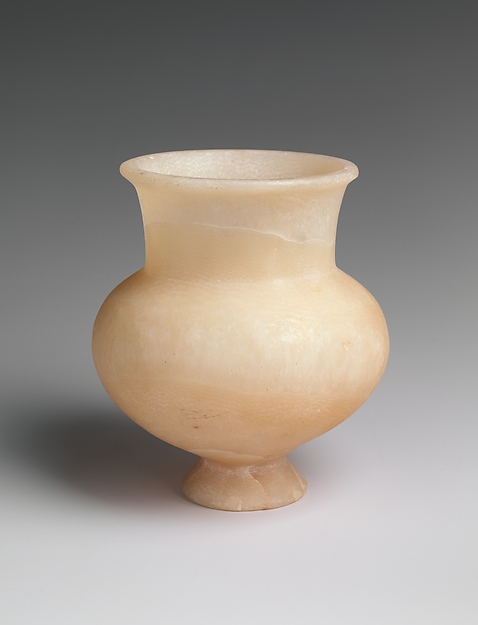
IMAGE 01 — Wide-Necked Cosmetic Jar
Egypt, New Kingdom, Dynasty 18, ca. 1550–1450 BCE. Egyptian alabaster. The Metropolitan Museum of Art. Object page — Public Domain.
LOOK AT THE OPENING → The vessel was designed to let a finger reach oil or unguent, making beauty a tactile act.
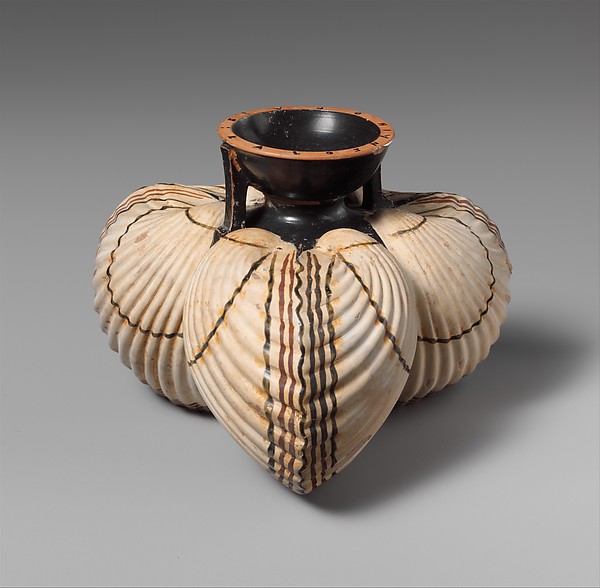
IMAGE 02 — Terracotta Aryballos in the Form of Three Cockle Shells
Greek, late 6th century BCE. Terracotta. The Metropolitan Museum of Art. Object page — Public Domain.
LOOK AT THE INSCRIPTION → It calls a boy beautiful. An athletic oil flask could carry admiration as well as oil.
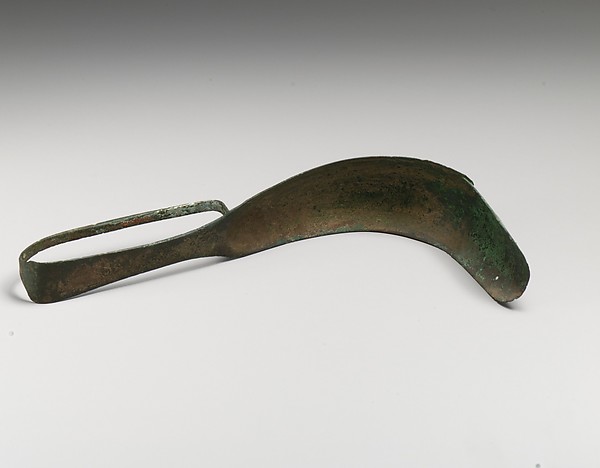
IMAGE 03 — Bronze Strigil
Greek, 5th–4th century BCE. Bronze. The Metropolitan Museum of Art. Object page — Public Domain.
CURIOSITY → Some Greek gymnasia collected the oily residue scraped from celebrated athletes and sold it as gloios, to which medicinal value was attributed.
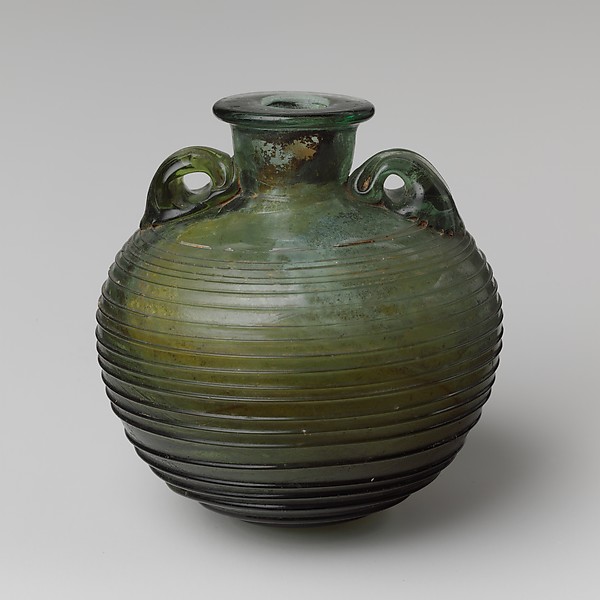
IMAGE 04 — Glass Aryballos
Roman, 1st–2nd century CE. Glass. The Metropolitan Museum of Art. Object page — Public Domain.
LOOK AT THE HANDLES → They suggest a vessel made to travel to the bath rather than sit permanently on a dressing table.
02 — The Painted Eye
Ancient Egyptian images frequently show men and women with extended dark eye lines. Cosmetic recipes were not uniform: scientific analysis has identified mixtures containing minerals such as galena and manganese compounds alongside plant- or animal-derived ingredients. The surviving evidence points to overlapping aesthetic, ritual and practical roles. It does not justify treating every recipe as safe by modern standards.
Cosmetics also belonged to later courts and performance. Some eighteenth- and early nineteenth-century European portraits show elite men with powdered skin and rouged cheeks. Glam, punk, goth, New Romanticism, drag and queer nightlife later made the painted male face newly visible in the West for very different reasons.
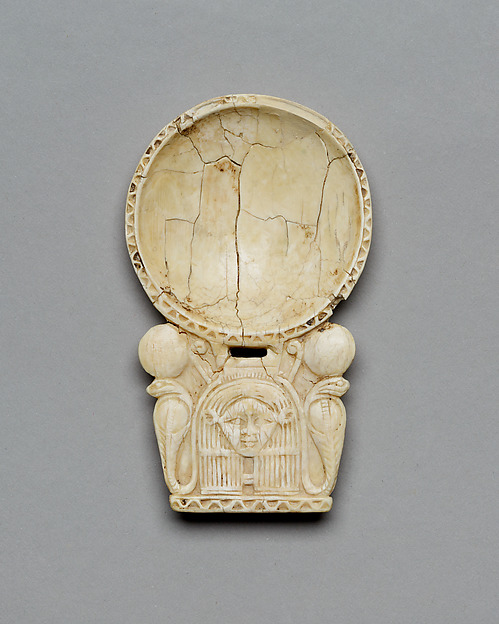
IMAGE 06 — Cosmetic Spoon
Egypt, New Kingdom, Ramesside period, ca. 1295–1070 BCE. Ivory. The Metropolitan Museum of Art. Object page — Public Domain.
LOOK AT THE HANDLE → A grooming implement has been made into a miniature sculpture.
03 — Hair as Architecture
Hair can be grown, removed, braided, curled, perfumed, powdered, extended or replaced. It is one of the body’s most workable materials.
Ancient Egyptian elite grooming kits contained combs, razors, tweezers and mirrors; wigs could furnish a carefully ordered silhouette. Neo-Assyrian royal sculpture rendered hair and beards as controlled ranks of waves and curls. The British Museum cautions that Ashurnasirpal II’s beard should not casually be called false: the carving shows an ideal, not how it was achieved.
Later male hair could be equally constructed. Edo-period Japanese men’s styles depended on occupation, age and status; European court wigs required specialist labour; nineteenth-century beards were cultivated into declarations of character; punk spikes and club hair turned the head into moving architecture.
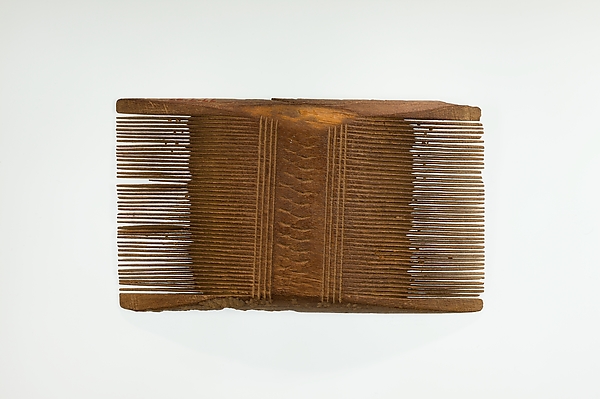
IMAGE 07 — Comb
Egypt, New Kingdom, ca. 1550–1300 BCE. Wood. The Metropolitan Museum of Art. Object page — Public Domain.
LOOK AT THE TWO SYSTEMS → Close teeth and widely spaced teeth answered different grooming needs in one compact tool.
04 — The Robed Man
Trousers are not masculinity’s natural shape. They are one garment system among many.
An Egyptian elite man might wear a wrapped linen kilt; a Greek citizen a chiton with a himation; a Roman senator a toga whose arrangement required knowledge and assistance. In South Asia, forms of the dhoti wrap cloth around the waist and legs, while Mughal men’s jama robes could open into hundreds of fine cotton panels. Japanese male court dress included robes such as the kariginu. Chinese court clothing encoded office and rank through prescribed colours, creatures and accessories. Elsewhere, men have worn sarongs, kilts, tunics, kaftans and many locally named wrapped garments.
Calling all of them “skirts” erases how each was cut or wrapped, who could wear it and what it communicated.
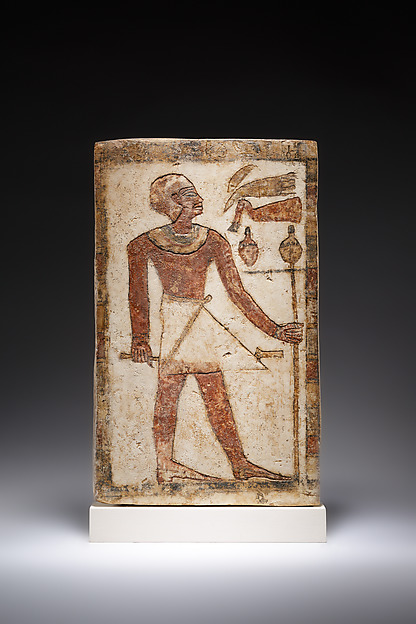
IMAGE 09 — Stela of a Man
Egypt, Middle Kingdom, Dynasty 11, ca. 2030–1981 BCE. Limestone and pigment. The Metropolitan Museum of Art. Object page — Public Domain.
LOOK AT THE SILHOUETTE → The broad collar and projecting triangular kilt give the male body colour, width and movement.
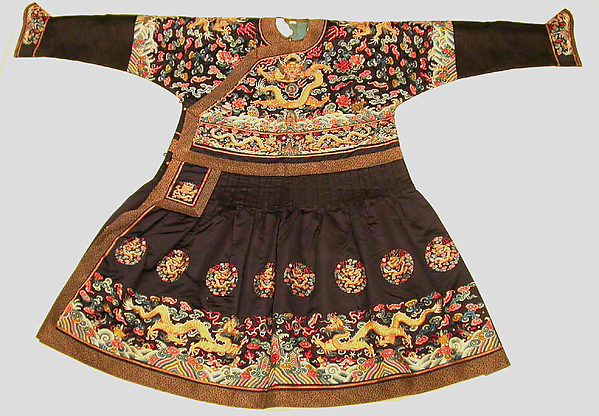
IMAGE 10 — Man’s Audience Robe (Chaofu)
China, Qing dynasty, second half of the 19th century. Silk and metal thread. The Metropolitan Museum of Art. Object page — Public Domain.
LOOK AT THE SLEEVES AND SKIRT → Authority is constructed through a complete silhouette, not through trousers alone.
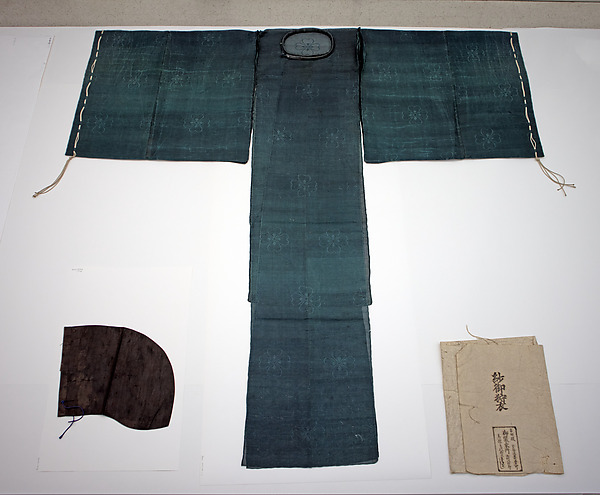
IMAGE 11 — Man’s Court Robe (Kariginu) with Belt and Hat
Japan, Edo period, 19th century. Silk. The Metropolitan Museum of Art. Object page — Public Domain.
LOOK AT THE VOLUME → The wearer’s form is expanded and abstracted by cloth.
Male Silhouettes, Seen on Their Own Terms
| Place and period | Garment | Construction | What shaped its meaning |
|---|---|---|---|
| Middle Kingdom Egypt | Kilt | Wrapped or pleated linen around the lower body | Status, occupation, period and quality of linen |
| Classical Greece | Chiton and himation | Sewn tunic with a draped outer cloth | Citizenship, activity, climate and occasion |
| Imperial Rome | Toga | Large draped wool cloth over a tunic | Male Roman citizenship and public office |
| Mughal South Asia | Jama | Cross-fastened robe with a full skirt | Court rank, fabric, cut and regional style |
| Qing China | Chaofu | Structured ceremonial robe and accessories | Codified court rank and ritual |
| Edo Japan | Kariginu | Wide-sleeved robe, historically court dress | Court status and formal occasion |
05 — Silk, Embroidery and Flowers
At many courts, elite men’s clothing was technically ambitious. Mughal portraits show translucent muslins, pearl strands, jewelled weapons and individual flowers. Qing court robes combined silk, metal thread, dragons, clouds and waves. At Versailles and other European courts, men’s silk suits carried embroidery, sequins, lace, ribbons or jewelled buttons.
These were men’s garments within their own systems. Their splendour depended on expensive materials and an often invisible network of dyers, embroiderers, weavers, miners, pearl fishers, merchants and servants.
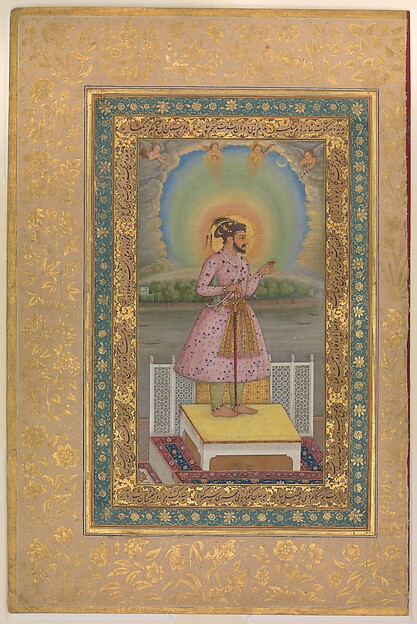
IMAGE 12 — Shah Jahan on a Terrace, Holding a Pendant Set with His Portrait
Chitarman, Mughal India, 1627–28. Ink, opaque watercolour and gold on paper. The Metropolitan Museum of Art. Object page — Public Domain.
LOOK AT EVERYTHING AT ONCE → Pearls, gemstones, a flowered ground, a jewelled dagger and nearly transparent cloth operate as one language of imperial refinement.
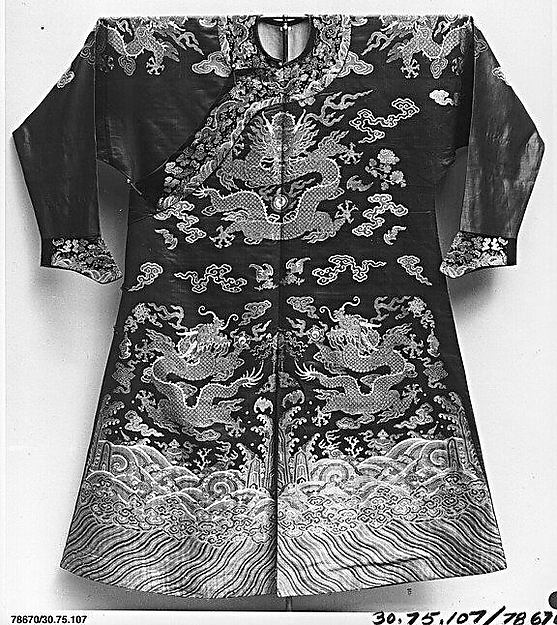
IMAGE 13 — Court Robe
China, Qing dynasty, 18th century. Silk and metal thread. The Metropolitan Museum of Art. Object page — Public Domain.
LOOK AT THE SURFACE → Nine dragons move through clouds and waves; the robe places the wearer inside a cosmological design.
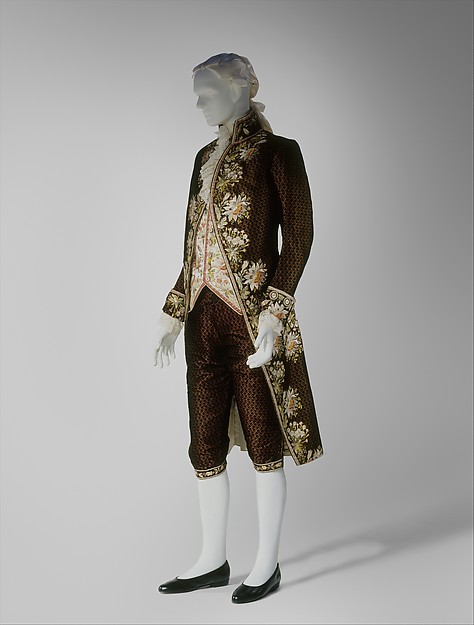
IMAGE 14 — Man’s Court Suit
France, 1774–93. Silk and embroidery. The Metropolitan Museum of Art. Object page — Public Domain.
LOOK AT THE EDGES → Dense embroidery follows the coat, waistcoat and breeches exactly where the moving body would display it.
06 — The High Heel
The familiar slogan that “high heels were invented for men” compresses several histories into a meme. Elevated footwear existed in different places for different reasons. Riding heels in Western Asia helped secure a boot in the stirrup; European travellers and diplomats encountered Persian dress, and heeled footwear entered Western European fashion around the turn of the seventeenth century. Once adopted at court, it changed shape and meaning.
European men’s and women’s heels developed together but were not identical. For elite men, a raised heel contributed height, posture and display. At Louis XIV’s court, red heels became a regulated mark of status—not democratic fashion or the direct ancestor of every modern heel.
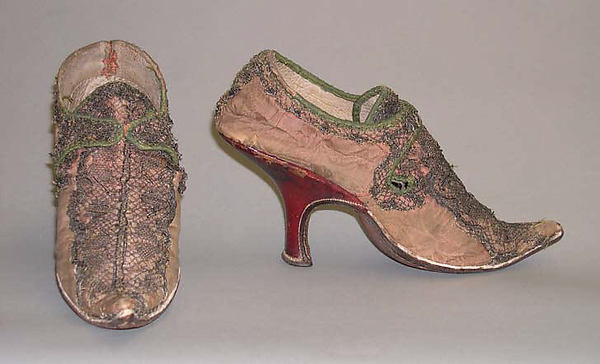
IMAGE 15 — Pair of Slippers with Red Heels
French, 1720–39. Leather and silk. The Metropolitan Museum of Art. Object page — Public Domain.
LOOK UNDER THE FOOT → The flash of red was a courtly signal. At Versailles, permission to wear red heels was tied to status.
07 — Gold on the Body
Gold can flatter skin, but it can also announce office, store wealth, embody ancestry or carry protection. The wearer matters.
A torc in Iron Age Britain could communicate elite identity. A Moche ear ornament on Peru’s north coast represented a warrior while transforming the wearer into a glittering bearer of that image. At the court of Benin, coral and brass were integral to royal representation; the accumulated regalia of an oba made authority visible. None of these objects is evidence that every man in the surrounding society wore comparable jewellery.
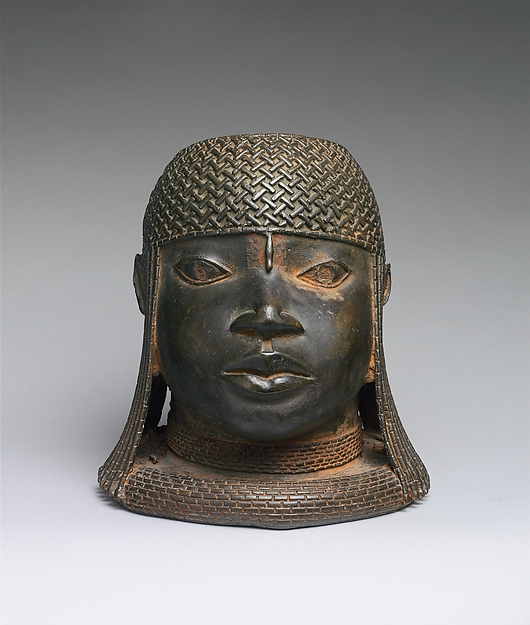
IMAGE 18 — Commemorative Head of an Oba
Edo peoples, Kingdom of Benin, present-day Nigeria, early 15th–mid-16th century. Brass. The Metropolitan Museum of Art. Object page — Public Domain.
LOOK AT THE NECK → Rings of coral beads rise into a collar; the royal body is visually built from accumulated regalia.
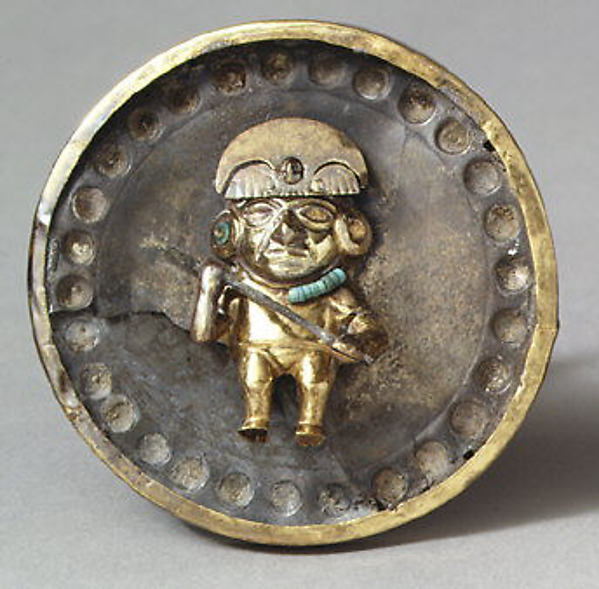
IMAGE 19 — Earflare with Warrior
Moche, north coast of Peru, ca. 390–450 CE. Gold, silver and stone. The Metropolitan Museum of Art. Object page — Public Domain.
LOOK AT THE SCALE → This is jewellery carrying the image of another fully adorned man.
08 — The Signet
A signet ring could be ornament and instrument at once. Pressed into wax or clay, its engraved face became a signature. It might identify an owner, authenticate an order, name an office, display a heraldic device or place sacred protection on the hand.
The beauty of the signet lies partly in that compression: a public system of identity reduced to a small object carried against the skin. In a portrait, rings also helped construct the sitter. They could imply marriage, family, authority, devotion, learning or access to gems—meanings that must be established case by case rather than guessed from glitter alone.
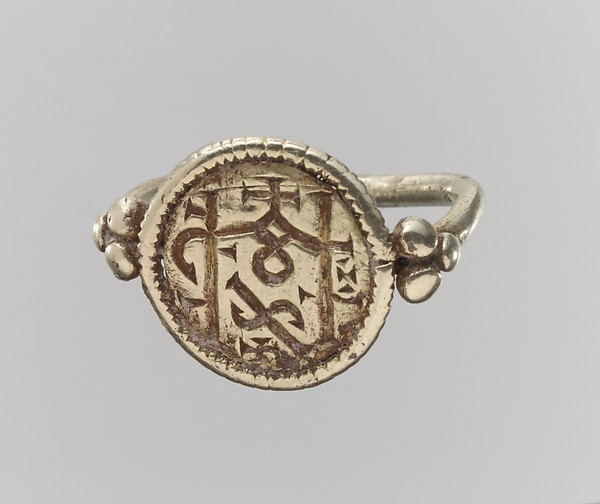
IMAGE 20 — Signet Ring with Monogram
Frankish, 7th century. Electrum. The Metropolitan Museum of Art. Object page — Public Domain.
LOOK AT THE FACE → Turned inward, it is decoration; pressed into a document, it becomes a name.
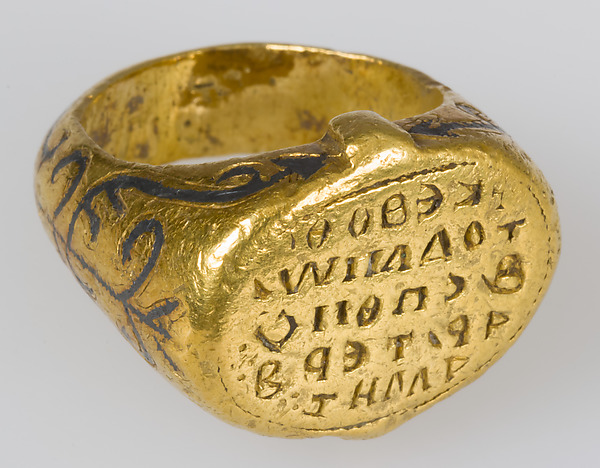
IMAGE 21 — Signet Ring of John, Imperial Spatharios
Byzantine, 10th century. Gold and niello. The Metropolitan Museum of Art. Object page — Public Domain.
LOOK AT THE INSCRIPTION → The ring joins personal identity to an imperial title.
09 — Pearls on Men
The contemporary male pearl necklace is not without precedent, but historical examples did not all mean the same thing. In Mughal portraiture, strands of large pearls and pearl earrings formed part of imperial magnificence. In seventeenth-century European court portraiture, a single pearl could sharpen the tension between martial dress and bodily refinement. Pearls have signalled rank, wealth, access to maritime trade, dynastic gifting and cultivated taste.
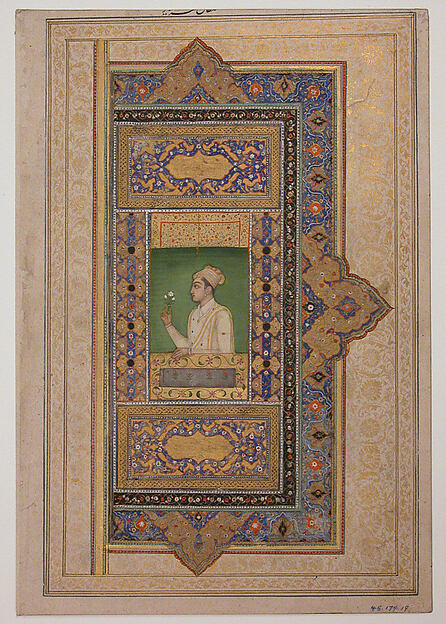
IMAGE 24 — Portrait of a Prince
Attributed to India, 17th century. Ink, watercolour and gold on paper. The Metropolitan Museum of Art. Object page — Public Domain.
LOOK AT THE JEWELLERY → Pearls belong to a complete courtly composition of turban, robe, gemstones and gold.
10 — Perfume
Scent is adornment without a visible object. It occupies air, cloth, hair and memory.
Perfumed oils appear in ancient Mediterranean and Egyptian contexts, but scent could also structure hospitality and religious experience. In parts of the Islamic world, rosewater sprinklers and incense burners received guests and marked festive occasions. Sources from Ottoman courtly culture describe hands and faces refreshed with rosewater. In Europe, scented gloves, pomanders and snuff accessories joined the dressed body; later barbershop tonics and commercial colognes helped divide the fragrance market by gender.
The bottle is the surviving evidence. The real ornament was the atmosphere around the wearer.
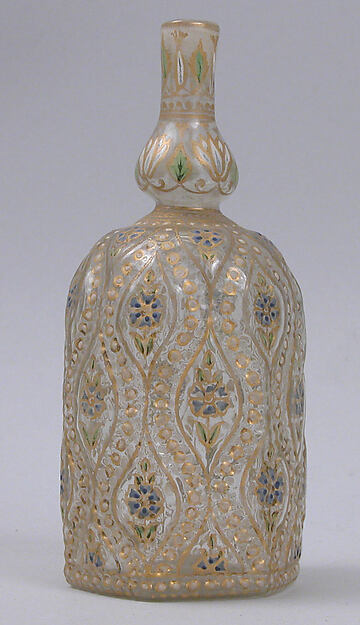
IMAGE 25 — Perfume Sprinkler
North India, 18th century. Glass, enamel and gold. The Metropolitan Museum of Art. Object page — Public Domain.
LOOK AT THE NECK → Its narrow opening turned rosewater into droplets, making fragrance part of welcome and celebration.
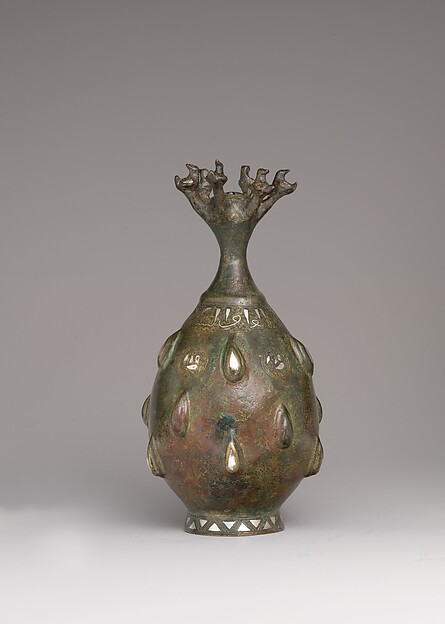
IMAGE 26 — Bottle with Sprinkler Top
Khurasan or Iran, 12th century. Inlaid copper alloy. The Metropolitan Museum of Art. Object page — Public Domain.
LOOK AT THE FORM → A durable metal vessel preserves the trace of oils used around bathing and bodily care.
11 — The Decorated Warrior
Modern menswear often treats ornament and strength as opposites. Historical military display repeatedly contradicts that assumption. Armour could be technically protective and visually magnificent; weapons could carry gold, inscriptions and gemstones; uniforms used plumes, braid, medals and sashes to make rank legible.
This did not make war beautiful. It made the warrior visible inside a hierarchy. Decoration could intimidate, sanctify, reward or identify. Its expense also revealed the difference between a ruler or officer and the men ordered to fight beneath him.
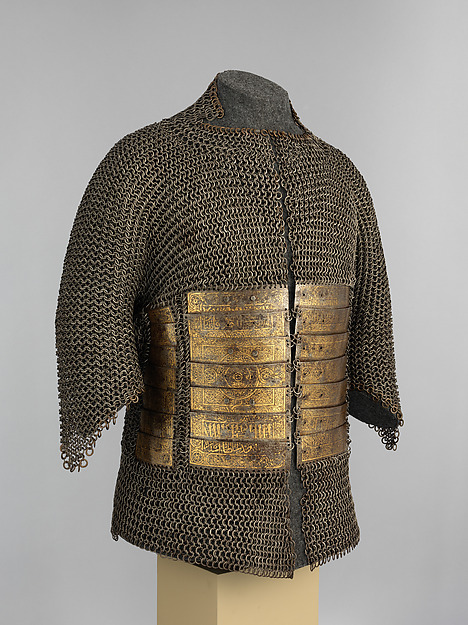
IMAGE 27 — Armour of Sultan Qaitbay
Mamluk, Egypt or Syria, ca. 1468–96. Steel damascened with gold. The Metropolitan Museum of Art. Object page — Public Domain.
LOOK AT THE PLATES → Eighty-seven gold-decorated steel plates make defence into a field of inscription and pattern.
12 — Beauty, Magic and Protection
Jewellery often worked beyond appearance. A stone, verse, animal or sacred sign might be worn in the hope that it guarded the body, strengthened authority or connected the wearer to divine power. The line between ornament and amulet is therefore unstable.
Among the Asante, gold regalia communicated proverbs, hierarchy and royal power. A ring in the form of a scorpion could invoke the creature’s danger while participating in ceremonial display. Disc pendants worn by royal “soul washers” belonged to protection at court, not to a generic African spirituality. Precision matters here: the symbol, office and culture cannot be separated without changing the object.
For the longer history of gemstones, metals and attributed powers, see the separate SERGIO STUDIO Material Lapidary.
13 — The European Court Man
The Renaissance, Baroque and Rococo court man could be visually excessive because clothing was political. Silk proclaimed access to trade and labour. Lace, jewels, orders and swords located a man inside patronage and dynasty. Posture and grooming mattered: a portrait had to show the body as capable of carrying rank.
In Hans Baldung Grien’s 1514 portrait, fur, chains, badges and a cap jewel compete for attention. Pope Julius II sits more quietly, yet six gemstone rings turn his blessing hand into a treasury. Eighteenth-century court suits brought embroidery down the entire body, while snuffboxes made conversation itself an opportunity to handle gold.
This was not how most European men dressed. It was a highly controlled performance available to those with money, title, office or access to court.
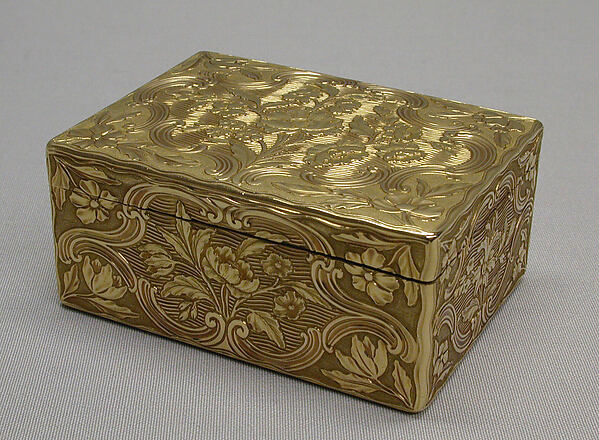
IMAGE 33 — Snuffbox
French, Paris, 1749–50. Gold. The Metropolitan Museum of Art. Object page — Public Domain.
LOOK AT THE EDGES → Taking snuff transformed a small social gesture into the public handling of an intricate gold object.
14 — The Great Sobering
Why, then, does elaborate male dress often look exceptional to a modern Western viewer?
In 1930, the psychologist J. C. Flügel described a “Great Masculine Renunciation”: beginning around the late eighteenth century, he argued, men surrendered brilliant colour and obvious ornament to women and adopted sober dress. The phrase is useful, but it is not a law of history. It can make one European shift sound universal, hide class differences and overlook display that survived in cut, fabric, uniforms, jewellery, sportswear and subculture.
Still, something changed. Industrialisation, urban professional life, bourgeois respectability and new ideals of rational, productive masculinity gave the dark tailored suit unusual authority. Standardised ready-made clothing extended it. Male status could now be communicated through restraint, fit, cleanliness, watch, shoe leather and apparently discreet expense.
Recent historians add that the new norm also marked women, colonised peoples, non-Western men and sexually nonconforming men as decorative “others.” The sober suit was not neutral. It claimed seriousness.
15 — The Dandy Refuses
The dandy did not simply reverse the sobering by restoring colour. He made restraint obsessive.
Beau Brummell, the most famous Regency dandy, became associated with immaculate linen, dark coats, exact tailoring, polished boots and an elaborate toilette that was meant to look effortless. The achievement lay in proportion, cleanliness and control. Ornament diminished; aesthetic labour did not.
The dandy reveals a recurring pattern in masculine dress: when obvious decoration becomes suspect, beauty migrates into details. The width of a lapel, the knot of a cravat, the gloss of a shoe, the quality of a shave and the time spent making effort invisible can carry an entire code.
16 — Subculture Brings the Body Back
The twentieth century did not restore one lost male beauty. It produced competing scenes.
Teddy boys exaggerated Edwardian tailoring through working-class youth culture. Rock and roll gave hair, boots and movement new force. London’s “Peacock Revolution” brought vivid shirts, velvet and historical references into 1960s menswear. Glam used satin, cosmetics and science-fiction silhouettes. Punk damaged the surface on purpose. New Romantics turned nightclubs into studios for painted faces and invented aristocracies. Leather cultures built codes of affiliation and desire. Hip-hop jewellery made success, neighbourhood, memory and musical identity visible in precious metal.
Race, sexuality, class and music are not footnotes to these styles; they are part of why the styles existed. What returned was not court ceremony. It was the conviction that a man’s appearance could be a complete creative work.
17 — The Contemporary Man
Today’s male wardrobe is not empty; it is densely coded. These categories overlap, and the same person may cross several in a week.
| Language | Its usual tools | Where beauty tends to reside |
|---|---|---|
| Minimalist | Neutral colour, reduction, controlled silhouette | Proportion, material, absence |
| Business | Suit, shirt, watch, leather, grooming | Fit, polish, discretion |
| Preppy | Heritage codes, knitwear, tailoring, collegiate references | Continuity, neatness, belonging |
| Street / Sports | Trainers, logos, technical fabric, athletic form | Rarity, fluency, movement |
| Workwear | Denim, canvas, boots, hardware | Durability, patina, utility |
| Techno / Club | Black, mesh, utility, industrial references | Body, darkness, repetition |
| Punk / Alternative | Metal, leather, damage, DIY | Disruption and allegiance |
| Queer / Experimental | Jewellery, cosmetics, altered silhouette, exposure | Transformation and freedom |
| Luxury Basics | Familiar forms in exceptional materials | Touch, finish, controlled expense |
The missing possibility is not absolute—designers, wearers and communities are already creating it—but it remains uncommon in the mainstream: the gracefully adorned man.
Not a man in costume. Not an aristocratic reenactor. Not necessarily a man trying to transgress gender. Simply a man who considers beauty a legitimate, ordinary and lifelong part of being alive.
Then / Now: A Comparison, Not a Family Tree
| Historical practice | Contemporary echo | Important distinction |
|---|---|---|
| Greek athletic oiling | Body oil after bathing or training | Similar bodily pleasure does not create direct continuity of meaning. |
| A ruler’s signet | A personal emblem ring | Most modern rings do not carry legal sealing authority. |
| Mughal pearl strands | Contemporary men’s pearl necklaces | The present object does not reproduce Mughal rank or court culture. |
| Court embroidery | Embroidered evening or streetwear | Modern access, labour and social codes differ radically. |
| Military medals and braid | Decorative hardware on fashion | A visual quotation is not earned office or service. |
| Kohl in ancient Egypt | Eyeliner in music, club or daily dress | Material, belief, identity and social reception are different. |
What We Almost Forgot
I do not want contemporary men dressed as pharaohs, Mughal emperors, samurai or courtiers from Versailles. I do not want SERGIO STUDIO to lift sacred signs from their worlds and empty them into decoration.
What I want to recover is more fundamental: permission.
Permission for a man to enjoy precious materials without making a joke of them. To smell beautiful. To care for his skin. To wear several rings because the weight pleases him. To choose a stone for its colour, history or mystery. To let fabric move around his body. To spend time getting dressed without pretending not to care.
The historical objects on this page do not issue instructions. They dismantle an assumption. The restrained contemporary man is not the natural endpoint of masculinity. He is one historical possibility among many.
Beauty Through an Entire Life
Contemporary beauty culture often makes a cruel offer: remain visibly young, or surrender your claim to beauty. Historical portraiture gives a more interesting answer.
Raphael painted Pope Julius II in his late sixties, careworn and physically present. His white beard does not compete with his rings; each makes the other more powerful. Hans Memling’s old man is not disguised as a younger sitter. Fine fur, a dark cap, grey hair and marked skin form one exact image of a life nearing its end. In Asante court art, age could coexist with gold, textiles and the visible obligations of rank.
The body at seventy need not impersonate the body at twenty before metal deserves to touch it. On an older hand, a ring meets veins, folds, scars and years of gesture. Object and wearer both have histories.
Beauty does not expire. It changes material.
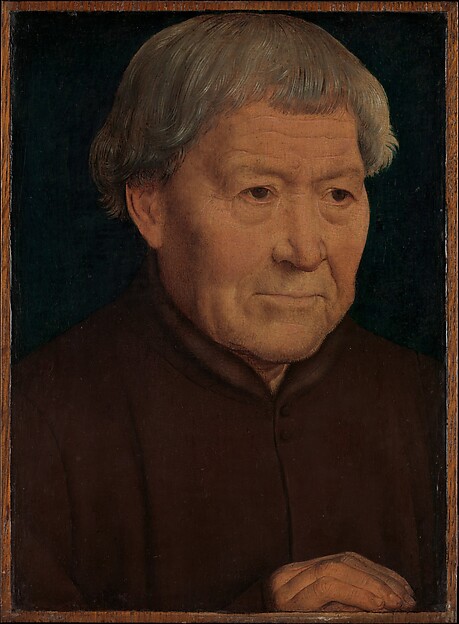
IMAGE 39 — Portrait of an Old Man
Hans Memling, ca. 1475. Oil on wood. The Metropolitan Museum of Art. Object page — Public Domain.
LOOK AT THE FACE → Nothing has been corrected into youth. Fur, grey hair and age are allowed equal dignity.
Ageing Image Pair
Place Image 32, Pope Julius II, beside Image 39, Portrait of an Old Man. Crop neither to remove the hands or clothing. The first portrait joins old age to office and gemstones; the second gives an ageing private individual commemorative attention. Their difference is as instructive as their common refusal to erase age.
The SERGIO STUDIO Ritual
Take care of the body you inhabit.
Wash it carefully. Touch it. Oil it, if you enjoy oil. Find a scent you love. Choose cloth that makes moving through the world pleasurable. Notice your hands, your neck and your shoulders. Wear jewellery. Let it acquire scratches. Let your body acquire its own changes.
Allow beautiful things to touch you.
Continue as you age.
Timeline of the Adorned Man
| Date | Place | Evidence | What it enlarges |
|---|---|---|---|
| ca. 2030–1981 BCE | Egypt | Painted stela of a man in broad collar and kilt | Male colour and wrapped dress |
| ca. 1550–1070 BCE | Egypt | Combs, razors, kohl tubes and unguent vessels | Grooming as an equipped practice |
| 883–859 BCE | Assyria | Ashurnasirpal II’s patterned hair and beard | Hair as royal architecture |
| late 6th c. BCE | Greece | Aryballos inscribed “the boy is fair” | Oil, athletics and admiration |
| ca. 390–450 CE | Moche north coast, Peru | Gold-and-stone warrior earflare | Jewellery carrying warrior identity |
| 7th c. | Frankish Europe | Monogram signet in electrum | The ring as portable name |
| 10th c. | Byzantium | Gold signet naming an imperial officer | Beauty, office and authority |
| 15th–16th c. | Kingdom of Benin | Brass royal head with coral regalia | The adorned body of the oba |
| 1511 | Rome | Julius II portrayed with six rings | Age, office and gemstones |
| 1627–28 | Mughal India | Shah Jahan in pearls, gems and fine cloth | Imperial beauty as total composition |
| 1630s | Western Europe | Court heels and red soles | Height and footwear as rank |
| 18th c. | Qing China and European courts | Dragon robes and embroidered suits | Men clothed in silk, metal thread and flowers |
| ca. 1800–30 | Britain | Dandyism and Beau Brummell | Aesthetic labour hidden inside restraint |
| late 19th c. | Europe and North America | Codified suit, hat and facial hair | Sobriety becomes its own designed ideal |
| 1960s–70s | London and transatlantic music culture | Peacock menswear and glam | Colour and cosmetics re-enter public male style |
| 1970s–90s | Punk, queer and club scenes | DIY metal, leather, painted faces and altered silhouettes | The body becomes a contested creative site |
| late 20th–21st c. | Hip-hop cultures | Chains, pendants, watches and grills | Jewellery as success, identity and memory |
| Present | Multiple overlapping cultures | Tailoring, streetwear, cosmetics and renewed men’s jewellery | No single masculine vocabulary wins |
The Male Beauty Cabinet
01 · Kohl tube — A small Egyptian vessel could hold the materials that made a monumental painted eye. Surviving recipes varied. The tube records the intimacy of application; the completed face entered systems of beauty, ritual and representation.
02 · Oil flask — Greek aryballoi travelled with athletes. Their contents belonged to exercise, washing and the gleam of the body. The vessel reminds us that the celebrated form in sculpture required routine care in life.
03 · Comb — Wood teeth survive where hair does not. Combs turn hair history from portrait interpretation into material evidence: men and women owned tools designed for repeated contact with the scalp and strand.
04 · Mirror — Polished metal mirrors placed the groomed body before its own gaze. An Egyptian razor discovered with mirror, tweezers, whetstone and kohl reveals grooming as a system of objects, not a single indulgence.
05 · Signet ring — Its face could compress a name, title or device into an image small enough to wear. A signet made the hand beautiful while giving it the power to authenticate.
06 · Pearl earring — On Charles I, one drop pearl sits beside armour and the Order of the Garter. Its delicacy does not weaken the royal image; it helps make that image specific.
07 · Perfume sprinkler — A long-necked rosewater vessel adorned the air rather than the wearer. At a reception or celebration, beauty became something one person could pour over another.
08 · Heeled shoe — The red heel at the French court was not a timeless emblem of femininity. It belonged to status, controlled access and a particular male and female court fashion.
09 · Wig — A wig could replace ordinary hair with a social silhouette. Egyptian elite wigs and European court wigs belonged to distinct technologies and meanings; their shared fact is deliberate construction.
10 · Brooch or clasp — The Sutton Hoo shoulder clasp joined clothing while displaying gold, garnet, glass and minute craft. Utility did not sit beneath beauty. It was the structure around which beauty was built.
11 · Silk robe — A robe reorganises the body through width, drape, light and movement. In Qing court dress, its motifs could also position the wearer inside an imperial and cosmological order.
12 · Amulet — Protection can be private or spectacular. When an emblem is worn publicly, material, belief, identity and appearance occupy the same small object.
13 · Razor — Removal is also design. Shaved scalp, face or body changes proportion and texture. The razor belongs in the history of beauty beside jewels because absence can be deliberately made.
14 · Powder box — Powder altered complexion and hair while the container participated in a culture of dressing. In court settings, the objects of preparation could be as elaborate as the final effect.
15 · Necklace — A collar, chain, torc or strand changes the boundary between head and torso. Its material may announce rank, protection, allegiance or pleasure; “necklace” names the position, not one meaning.
16 · Hair ornament — A fastening can hold hair while making its architecture legible. Pins, caps, jewels, feathers and cloth turn a biological material into a designed public surface.
Body Map
| Part of the body | Historical interventions | Questions to carry into the present |
|---|---|---|
| Hair | Oil, perfume, combing, shaving, curls, braids, wigs, powder, caps and ornaments | What shape does the head make before clothing begins? |
| Eyes | Kohl, mineral pigments, court cosmetics and performance makeup | What happens when the gaze itself is framed? |
| Face | Razors, tweezers, rouge, powder, beard cultivation and skincare | Is grooming revealing the face, or designing it? |
| Neck | Broad collars, torcs, chains, pearls, scent and high collars | How do weight and movement change posture? |
| Chest | Clasps, brooches, orders, medals, amulets and embroidered fronts | What does the wearer place over the heart? |
| Hands | Signets, stacked rings, bracelets, gloves and stained nails | Are the hands tools, signatures, displays—or all three? |
| Body | Oil, bathing, tattooing, scarification and enveloping textiles | Which acts are private care, and which make belonging visible? |
| Legs | Breeches, stockings, wrapped cloth, boots and bare athletic skin | How does clothing choreograph movement? |
| Feet | Raised heels, dyed leather, embroidery, buckles and polished boots | What does status look like when the wearer walks away? |
Glossary
Aryballos — A small ancient Greek vessel commonly associated with oil, especially in athletic and bathing contexts.
Chaofu — Formal audience or ceremonial court dress of Qing China, worn within a codified system of rank and ritual.
Damascening — Decorating a metal surface by inlaying or applying another metal, often gold or silver.
Dandy — A man who makes dress, grooming, manners and self-presentation a disciplined aesthetic practice; not simply a synonym for colourful dresser.
Great Masculine Renunciation — J. C. Flügel’s 1930 term for the supposed surrender of brilliant and varied dress by Western men around the late eighteenth and nineteenth centuries. Useful, influential and contested.
Himation — A rectangular outer cloth draped in ancient Greece, worn in varied ways over or without a chiton.
Jama — A fitted, cross-fastened robe with a flared lower portion, worn in several forms in Mughal and later South Asian contexts.
Kariginu — A wide-sleeved Japanese robe originating in Heian-period informal aristocratic dress and later used in court and ceremonial contexts.
Kohl — A broad modern label for dark eye preparations used in ancient Egypt and elsewhere; recipes and meanings varied.
Oba — The title of the ruler in the Kingdom of Benin; the royal regalia shown here should not be generalised to all Edo men.
Signet — A ring or seal whose engraved face can leave an identifying impression.
Strigil — A curved tool used to scrape oil, sweat and debris from the skin in ancient Greek and Roman bathing or athletic practice.
Torc — A rigid or semi-rigid neck ring, often of twisted metal, known from several ancient European contexts.
Unguent — An oily or semi-solid preparation applied to the body, sometimes scented or used in ritual and medical contexts.
Sources and Image Notes
Core Interpretive Sources
- Chloe Chapin, “Masculine Renunciation or Rejection of the Feminine?”, Fashion Theory (2022). A critique of the limits and exclusions embedded in Flügel’s model.
- Giorgio Riello and Peter McNeil, eds., scholarship on men’s dress and the contested “Great Masculine Renunciation”; see also the Oxford English Historical Review article “Shoe Buckles and the Great Masculine Renunciation”.
- Victoria and Albert Museum, Fashioning Masculinities: The Art of Menswear.
- Bata Shoe Museum, Standing Tall: The Curious History of Men in Heels and its curatorial questions and answers.
- Scientific Reports, chemical analysis of ancient Egyptian eye cosmetics (2022).
- The Metropolitan Museum of Art, Islamic Jewelry in The Metropolitan Museum of Art, especially its discussion of Mughal pearl strands and earrings.
- The J. Paul Getty Museum, guide to the ancient Olympics, including the anecdote concerning gloios.
- British Museum, ancient Egyptian teaching resource, for evidence of kohl use by men and women.
- British Museum, Life in a Cup: Coffee Culture in the Islamic World, for scent and rosewater in hospitality.
- Victoria and Albert Museum, The Peacock Revolution: 1960s Menswear, Vivienne Westwood: Punk, New Romantic and Beyond, and Club to Catwalk.
Additional Verified Objects for Layout or Detail Crops
- Copper-alloy razor, Egypt, ca. 1550–1458 BCE — Public Domain. Found in a grooming group that also included a mirror, tweezers, whetstone and kohl vessel.
- Bald-headed man wearing gold collars, Egypt, ca. 1300–1200 BCE — Public Domain.
- Broad Collar of Wah, Egypt, ca. 1981–1975 BCE — Public Domain. A faience-and-linen collar associated with the male estate manager Wah.
- Moche ear ornament with winged runners, Peru, ca. 400–700 CE — Public Domain.
- Mixtec warrior-ruler pendant, Mexico, 12th–14th century — British Museum licence check.
- Asante seated ruler, present-day Ghana, 19th–mid-20th century — Public Domain.
- Portrait of Charles John Gardiner, ca. 1812 — National Portrait Gallery licensing required. Useful for rouged cheek, amber beads and elaborate neckwear.
- Portrait of a Man, Hyacinthe Rigaud, 1693 — Public Domain. Useful for courtly curls and shot silk.